Smart Kitchen Appliances for Modern Newfoundland Homes
Technology moves fast, and keeping your kitchen current with the latest innovations can feel overwhelming. You see advertisements for new smart kitchen appliances every month, each promising to revolutionize how you cook, store food, and manage your daily routines. Meanwhile, your current appliances work fine, but you wonder if you’re missing out on features that could make your life easier and more efficient.
The challenge grows when you consider the investment. Traditional appliances might last decades, but newer smart kitchen appliances become outdated as software updates end and newer models offer improved connectivity. You worry about choosing technology that will become obsolete, leaving you with expensive equipment that no longer receives support or security updates. Energy costs continue rising, and your older appliances consume more electricity than necessary, adding to monthly expenses while lacking the convenience features you see in friends’ homes.
However, strategic planning for a future-proof kitchen allows you to embrace beneficial technology while avoiding costly mistakes. By understanding which innovations provide lasting value and how to integrate them properly, you can create a kitchen that enhances your daily life while maintaining relevance for years to come.
Understanding Current Kitchen Technology Trends
Kitchen technology trends focus on connectivity, energy efficiency, and user convenience rather than flashy features that quickly become outdated. The most valuable smart kitchen appliances integrate naturally into your cooking routines while providing measurable benefits like reduced energy consumption, improved food safety, and genuine time savings.
Voice control has matured beyond novelty to become genuinely useful for hands-free operation while cooking. You can adjust timers, change temperatures, or check cooking progress without stopping your food preparation to interact with touchscreens or buttons.
App connectivity allows you to monitor and control appliances remotely, but the most valuable applications focus on practical benefits. Pre-heating ovens while driving home, receiving alerts when dishwasher cycles complete, or checking refrigerator contents while grocery shopping provide real convenience rather than unnecessary complexity.
Energy monitoring capabilities help you understand actual usage patterns and identify opportunities for savings. Smart kitchen appliances with detailed energy reporting can reveal which appliances consume the most electricity and suggest optimal usage patterns for reducing costs.
Integration with smart home systems creates unified control over kitchen functions, lighting, and climate systems. This coordination improves both convenience and energy efficiency by allowing different systems to work together intelligently.
Essential Smart Kitchen Appliances for Your Future-Proof Kitchen
Planning your future-proof kitchen requires selecting smart kitchen appliances that provide lasting value while avoiding technology that becomes quickly obsolete. Focus on appliances from manufacturers with strong track records of long-term software support and security updates.
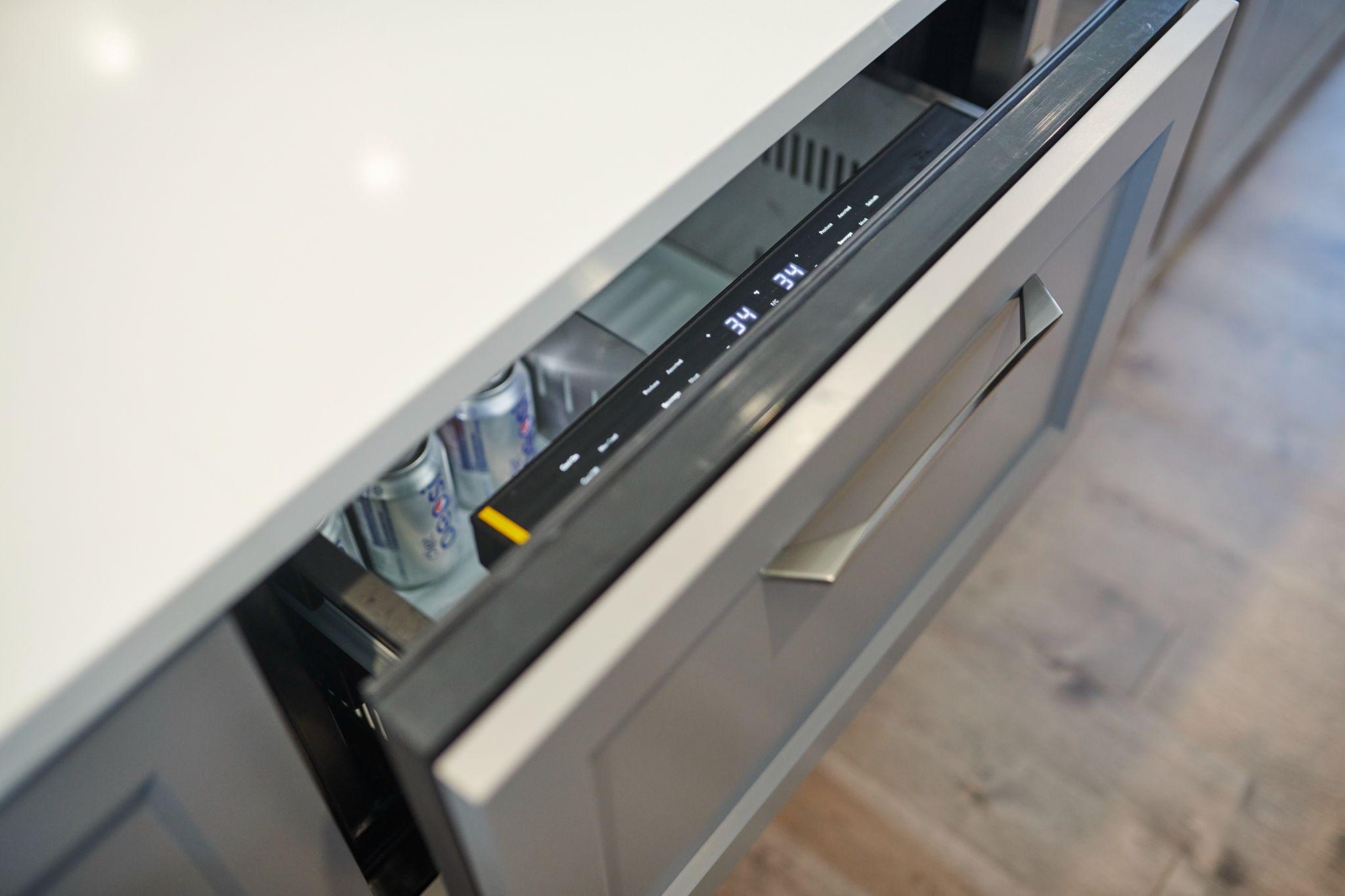
Smart refrigeration stands out as one of the most beneficial upgrades for most households. Modern smart refrigerators offer energy monitoring, temperature control precision, and inventory tracking that can significantly impact both convenience and operating costs.
Connected ovens and ranges provide remote control capabilities, precise temperature management, and cooking assistance that genuinely improves results. Look for models that offer manual operation alongside smart features, ensuring functionality even when connectivity issues arise.
Dishwashers with smart capabilities optimize water and energy usage based on load size and soil levels. Advanced models provide detailed reporting on consumption and maintenance needs, helping you maintain efficiency over time.
Smart lighting systems enhance both functionality and ambiance while reducing energy consumption. Programmable lighting adapts to your daily routines and cooking needs while providing security benefits when you’re away from home.
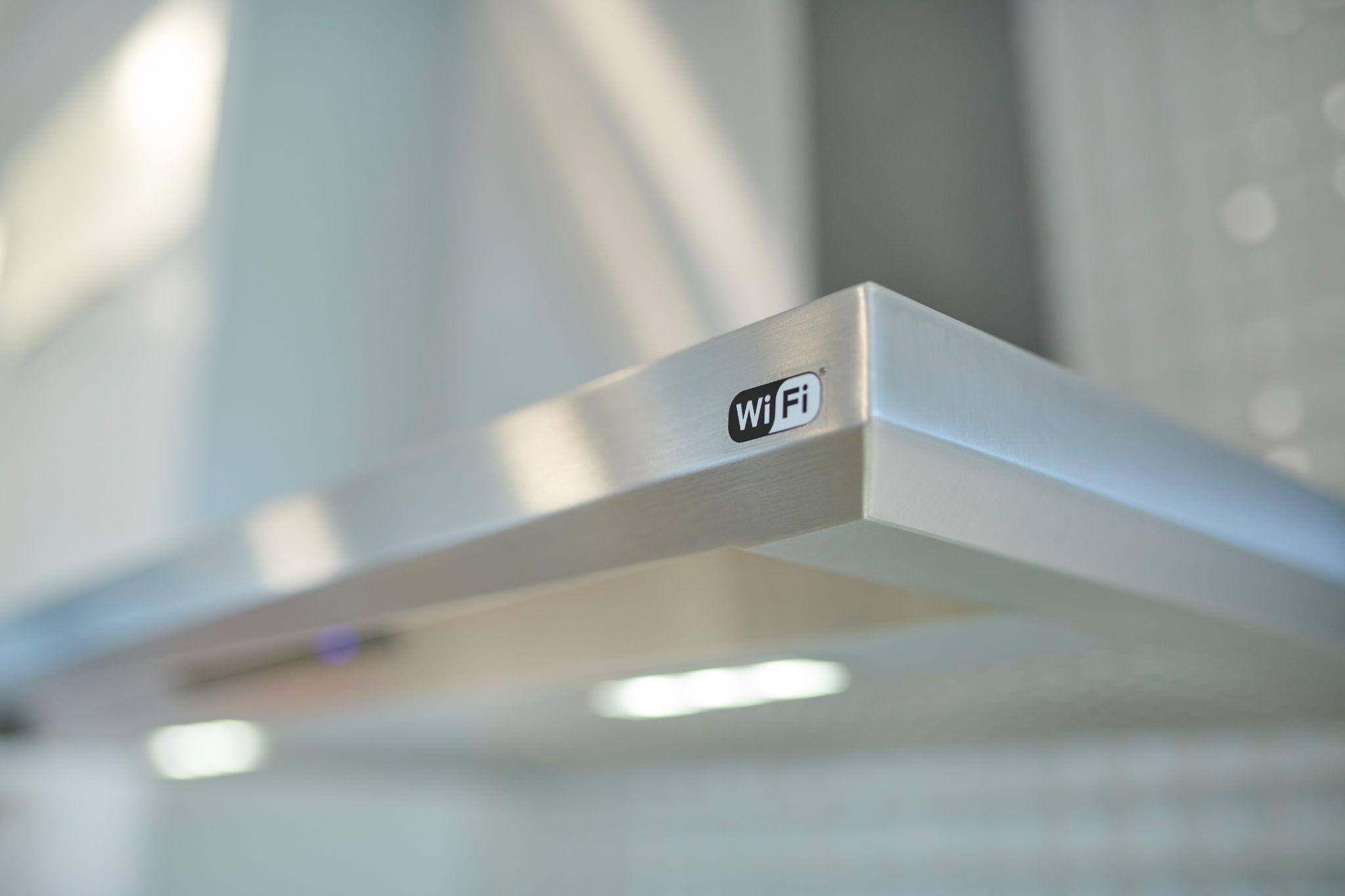
Consider smart ventilation systems that automatically adjust based on cooking activity and air quality. These systems improve indoor air quality while optimizing energy usage, particularly valuable in tightly sealed modern homes.
Connected Cooking Appliances That Simplify Meal Preparation
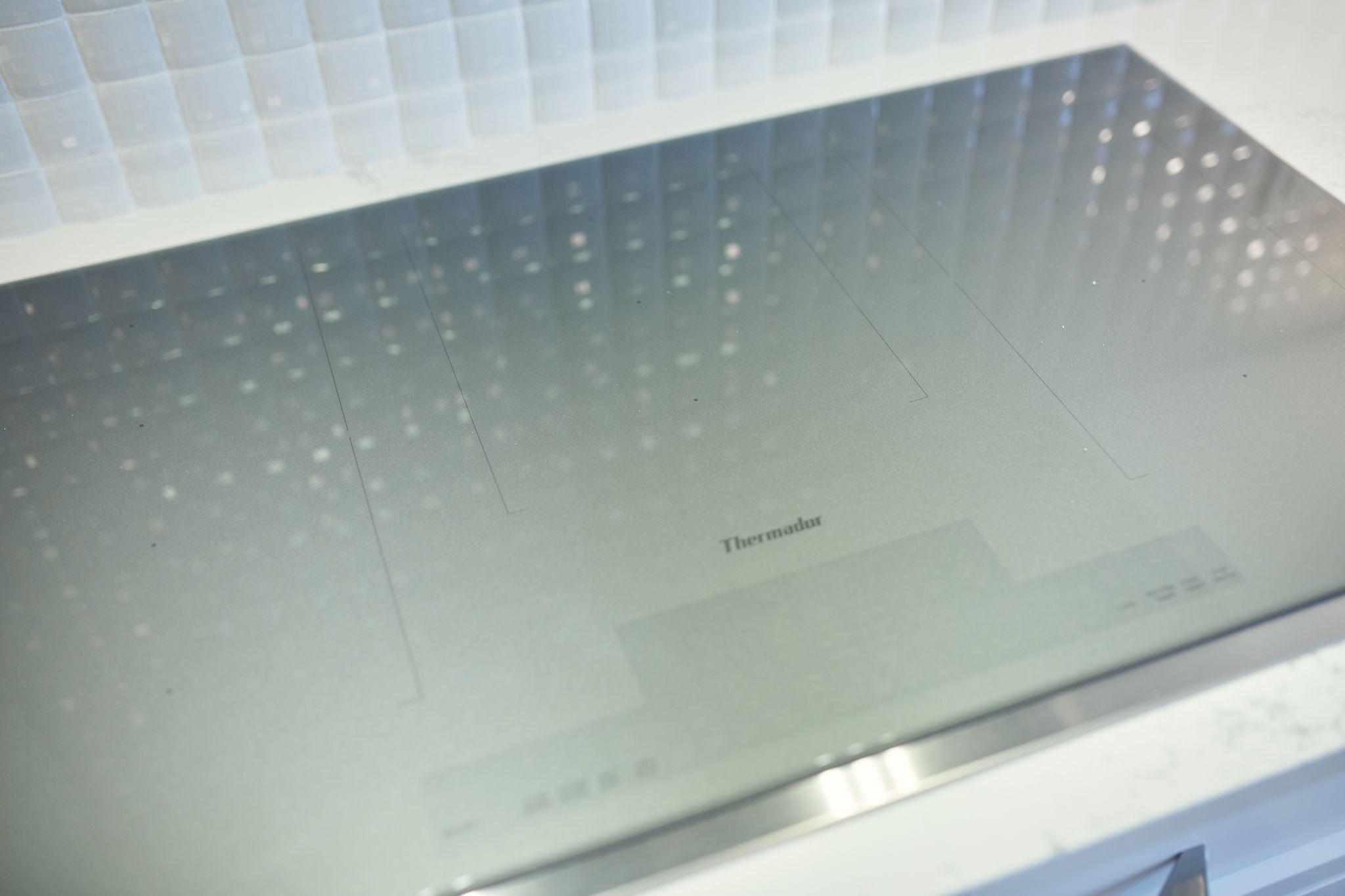
Smart ovens and cooktops bring precision and convenience to everyday cooking while providing safety features that protect your home and family. These smart kitchen appliances excel at maintaining consistent temperatures and timing, reducing the guesswork that can lead to overcooked or undercooked meals.
Remote monitoring allows you to check cooking progress from anywhere in your home or receive alerts when cooking is complete. This freedom lets you attend to other tasks without worrying about overcooking or burning food.
Precision temperature control maintains exact cooking conditions throughout the cooking process. Unlike traditional appliances that cycle on and off, smart units maintain steady temperatures that improve cooking results and reduce energy waste.
Recipe integration provides step-by-step guidance with automatic temperature and timing adjustments. Many models connect to recipe databases that automatically configure cooking settings, removing guesswork from unfamiliar dishes.
Safety features include automatic shutoffs, overheating protection, and child locks that can be controlled remotely. These systems provide peace of mind while preventing accidents and potential fire hazards.
Maintenance monitoring tracks usage patterns and alerts you when cleaning or service is needed. Proactive maintenance keeps appliances operating efficiently while preventing costly repairs from neglected upkeep.
Lighting & Control Systems for Enhanced Functionality
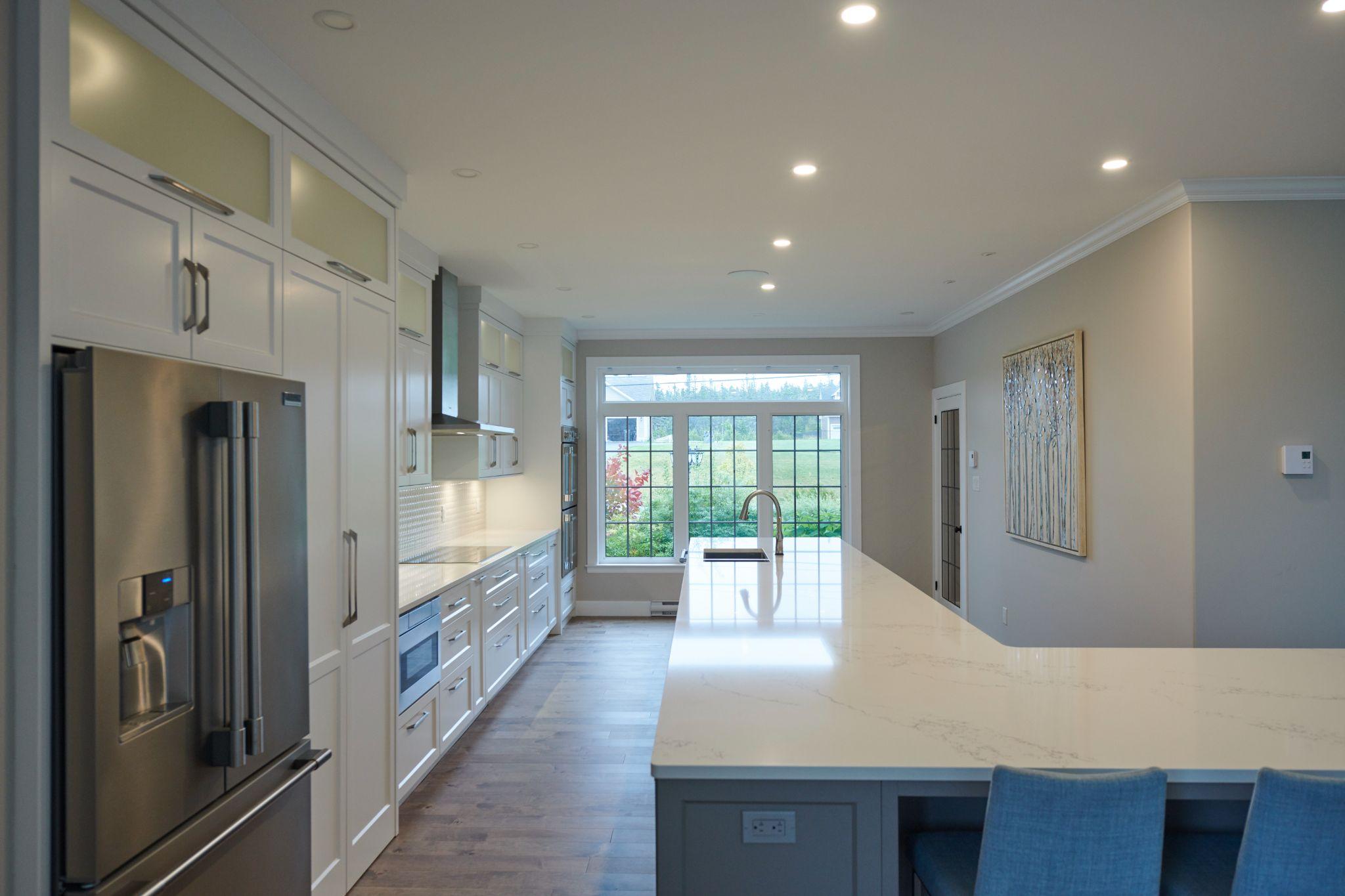
Smart lighting systems significantly impact both the functionality and atmosphere of your kitchen while providing substantial energy savings compared to traditional lighting approaches. These systems adapt to your daily routines and cooking needs while offering security benefits throughout your home.
Task lighting that automatically adjusts based on time of day and activity improves both safety and efficiency during food preparation. Under-cabinet lighting brightens work surfaces when needed while dimming during casual use, reducing eye strain and energy consumption.
Ambient lighting control creates appropriate atmosphere for different activities, from bright task lighting during food preparation to warm, dimmed lighting during meals. Programmable scenes eliminate the need to manually adjust multiple light sources.
Occupancy sensors automatically turn lights on when you enter the kitchen and off when you leave, ensuring efficient operation without requiring conscious effort. These sensors adapt to your movement patterns and can distinguish between brief visits and extended use.
Integration with other smart kitchen appliances allows lighting to respond to cooking activities. Lights can brighten automatically when ovens are in use or dim when dishwashers are running, creating intuitive responses that enhance functionality.
Natural light optimization through smart window treatments maximizes daylight usage while controlling heat gain. These systems reduce artificial lighting needs during peak daylight hours while maintaining privacy and temperature control.
Integration Planning for Cohesive Smart Kitchen Design
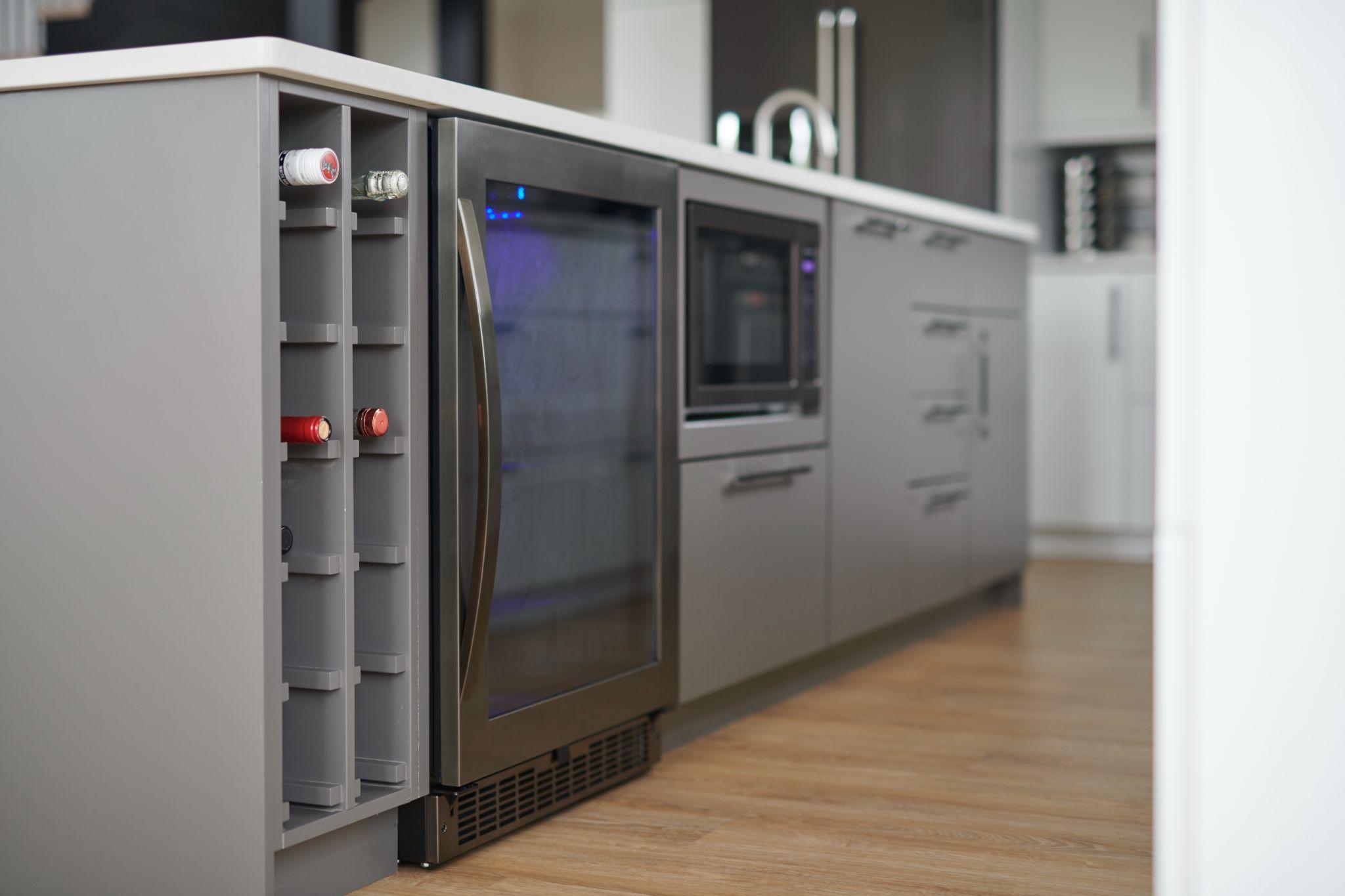
Successfully implementing smart kitchen appliances requires careful planning to ensure all systems work together harmoniously while maintaining the aesthetic appeal of your kitchen design. Integration challenges often arise when technology is added as an afterthought rather than planned from the beginning.
Electrical requirements for smart kitchen appliances often exceed traditional household wiring capacity. Planning for adequate power distribution, dedicated circuits, and network connectivity prevents installation delays and ensures reliable operation.
Network infrastructure must support multiple connected devices without compromising performance. Professional-grade wireless systems and hardwired connections provide the reliability that smart kitchen appliances require for consistent operation.
Control interfaces should remain intuitive and accessible to all household members. While smartphone apps provide extensive functionality, physical controls ensure basic operation remains simple and reliable for users of all ages and technical abilities.
Custom cabinetry integration allows smart kitchen appliances to blend with your overall design aesthetic rather than appearing as technological additions. Built-in installation maintains clean lines while providing proper ventilation and access for maintenance.
Future expansion considerations ensure your kitchen can accommodate additional technology as your needs evolve. Proper planning includes extra electrical capacity, network infrastructure, and physical space for future smart kitchen appliances.
Making Technology Work with Traditional Kitchen Design
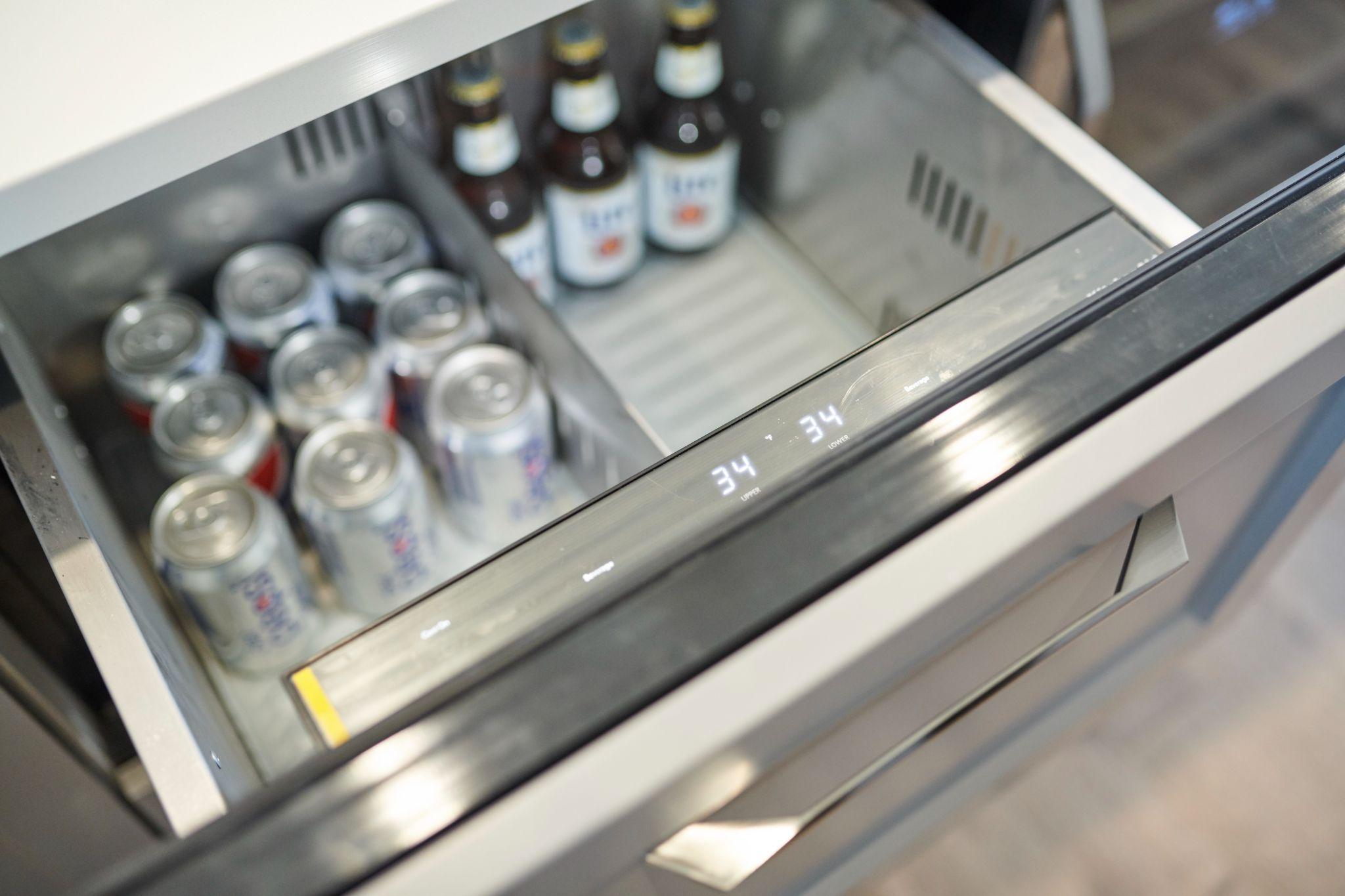
Integrating smart kitchen appliances into traditional or transitional kitchen designs requires balancing modern functionality with classic aesthetics. The goal is to gain technological benefits without sacrificing the timeless appeal that makes traditional kitchens enduringly popular.
Hidden integration keeps technology functional while maintaining design integrity. Custom panels can conceal smart displays when not in use, while built-in charging stations keep devices organized without cluttering countertops.
Complementary finishes ensure smart kitchen appliances harmonize with traditional materials like natural wood and stone. Many manufacturers offer classic-inspired designs that provide modern functionality within traditional aesthetics.
Selective technology adoption allows you to choose beneficial features without overwhelming your kitchen with unnecessary complexity. Focus on smart kitchen appliances that provide clear benefits while avoiding features that complicate daily use.
Professional installation ensures proper integration of electrical, plumbing, and networking requirements. Experienced installers can hide necessary infrastructure while maintaining access for maintenance and updates.
Long-term planning considers how technology integration affects your kitchen’s functionality and appearance over time. Quality installation and thoughtful design choices ensure your future-proof kitchen remains both functional and beautiful as technology continues evolving.
Building Your Connected Kitchen Today
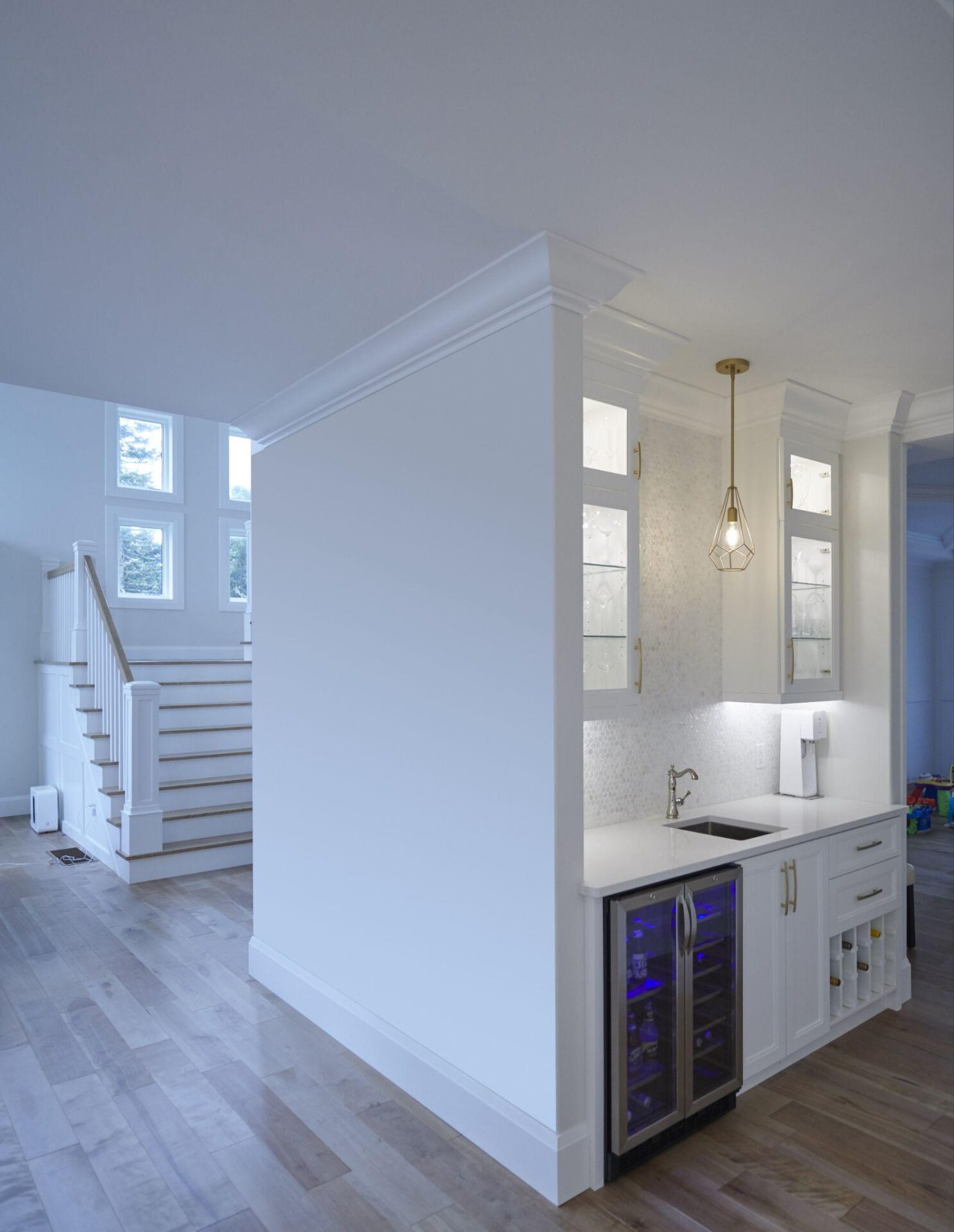
Creating a future-proof kitchen with smart kitchen appliances requires balancing current technology benefits with long-term value and reliability. The most successful installations focus on appliances that provide measurable improvements to daily life while maintaining the aesthetic appeal that makes kitchens welcoming gathering spaces.
Your kitchen can embrace beneficial technology while maintaining the character and functionality that make it the heart of your home. Smart kitchen appliances work best when they enhance rather than complicate your cooking routines, providing convenience and efficiency without sacrificing the warmth and personality that traditional kitchens offer.
Custom integration ensures that your technology choices complement rather than dominate your kitchen design. With proper planning and expert installation, you can enjoy the benefits of modern kitchen technology trends while creating a space that remains relevant and appealing for decades to come.
Ready to explore how smart technology can enhance your kitchen? Get a quote and discover the possibilities for your space.
Summary
This comprehensive guide explores smart kitchen appliances and kitchen technology trends that create a future-proof kitchen without sacrificing design appeal. From energy-efficient smart refrigeration and connected cooking appliances to integrated lighting and control systems, modern technology can enhance functionality while reducing operating costs. Successful integration requires careful planning, professional installation, and selecting appliances that provide lasting value while complementing your kitchen’s overall design aesthetic.