
Custom Kitchen Cabinets in Newfoundland: The Complete Cost, Style & Renovation Guide
This guide from Elite Kitchens + Design, a cabinet maker based in Torbay, NL, with 37 years of experience on the Avalon Peninsula, answers the question Newfoundland homeowners ask before calling anyone: what does a kitchen renovation actually cost here, and what does the decision to go custom change? It covers NL-specific cost drivers, the honest comparison between stock, semi-custom, and custom cabinetry, what you’re paying for when you go custom, how door styles affect price, and how the full renovation process works.
Key Takeaways
- Kitchen renovation costs in Newfoundland run higher than national averages. Atlantic freight on materials, regional labour rates, and the province’s older housing stock all push costs above what a calculator calibrated to Ontario will tell you.
- NL budget ranges: cosmetic refresh — $3,000–$8,000; mid-range renovation with new cabinets — $18,000–$35,000; full renovation with custom cabinetry and layout changes — $35,000–$70,000+.
- The cost gap between stock and custom narrows more than most homeowners expect once you factor in filler panels, corrections, and workarounds that stock cabinets require in the irregular dimensions of older homes.
- Custom kitchen cabinets in Atlantic Canada: $500–$1,500+ per linear foot installed. Cabinetry is typically 40–50% of a total kitchen renovation budget.
- Door style is a design and cost decision. Shaker is the dominant profile in NL new builds. Flat/slab is the most cost-efficient custom option. Raised panel suits heritage homes.
- Elite Kitchens + Design manufactures all cabinetry on-site in Torbay — no factory lead times, no third-party substitutions mid-build.
- Currently booked into Fall 2026. If you’re planning a renovation, start the conversation now.
Topics Covered Kitchen renovation cost in Newfoundland · Custom vs. stock vs. semi-custom cabinets · Custom cabinet cost breakdown · Cabinet door styles for NL homes · Cabinet finishes · Custom cabinetry and kitchen layout · The Elite Kitchens + Design renovation process · Budgeting for a kitchen renovation on the Avalon Peninsula
Who This Is For Homeowners in Newfoundland and particularly on the Avalon Peninsula — St. John’s, Torbay, Paradise, CBS, and surrounding Northeast Avalon communities — planning a kitchen renovation who want real, locally grounded answers before booking a consultation.
Author / Source: Elite Kitchens + Design — custom cabinet maker and kitchen renovation company at 918 Torbay Rd, Torbay, NL, serving the Avalon Peninsula since 1987.
Kitchen renovation costs in Newfoundland are higher than most online guides will tell you, and if you have read national renovation cost averages, you have probably already noticed the numbers don’t feel right here. There are specific reasons for that. Understanding them is the first step toward building a budget that reflects the actual cost of a kitchen renovation in Newfoundland.
This guide covers the full set of questions: why NL costs differ from national averages; how custom cabinetry compares to stock and semi-custom; what you are paying for when you go custom; how door styles affect price; and how the renovation process works.
What Drives the Cost of a Kitchen Renovation in Newfoundland?
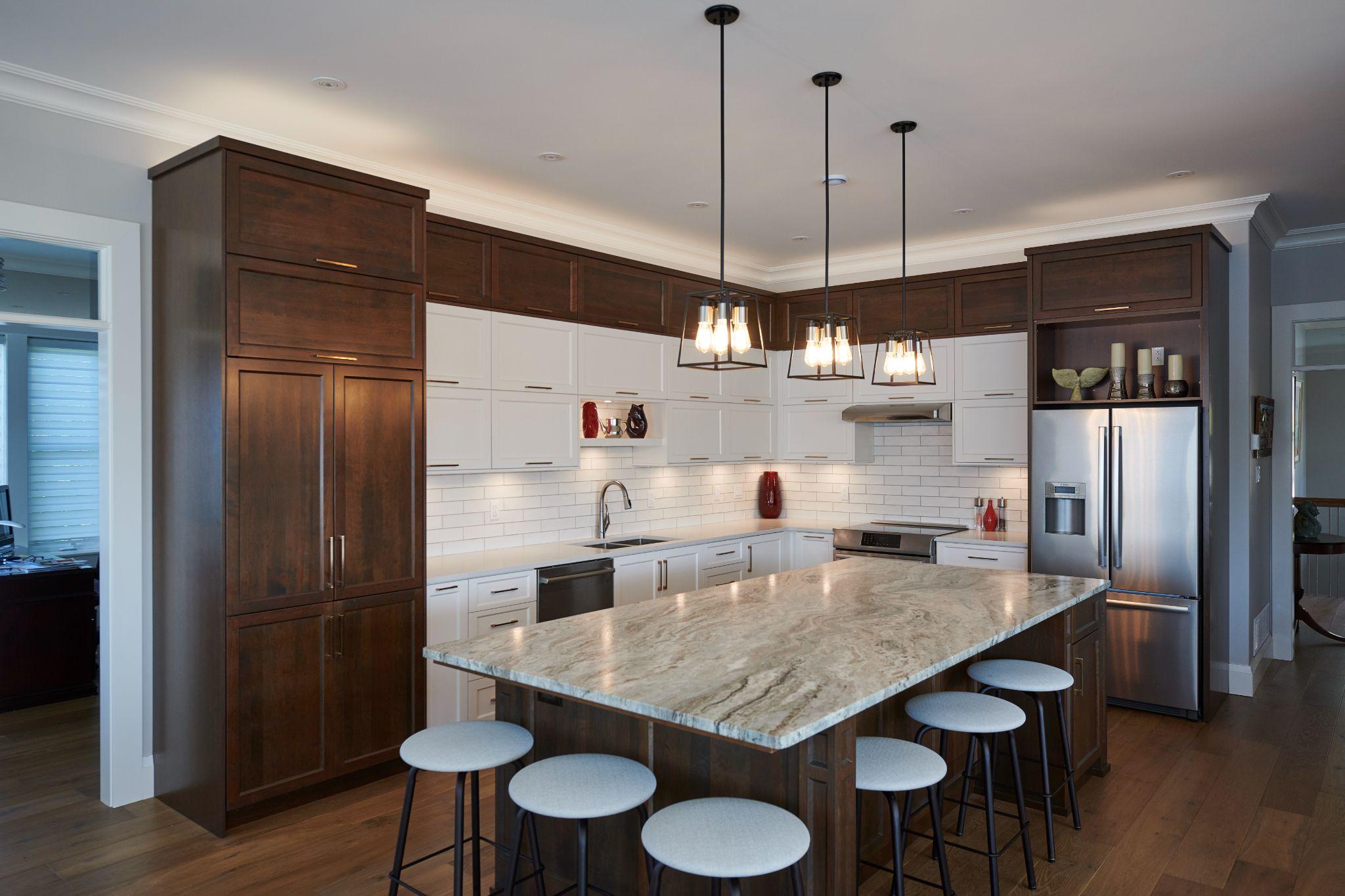
A kitchen renovation in Newfoundland costs more than the national averages you have probably seen online and there are specific reasons for that. Three primary factors drive kitchen renovation costs on the Avalon Peninsula: cabinetry (typically 40–50% of the total budget), labour, and materials. A mid-range renovation (new cabinets, updated countertops, no structural changes) runs between $18,000 and $35,000. A full renovation with custom cabinetry and layout changes runs $35,000–$70,000+. A cosmetic refresh limited to new cabinet doors and hardware can be completed for $3,000–$8,000. These are NL numbers, not Ontario averages and a quote from a local installer is the only way to get a project-specific figure. We break down the cabinet-specific costs in the section below.
Why Newfoundland Kitchen Renovation Costs Differ from the National Average
Timelines in NL run longer than national renovation guides suggest. Supply chains that serve central Canada quickly can take two to four weeks longer to reach Newfoundland, and that gap compounds across every trade and every material category. Everything that isn’t manufactured here is included in the price of Atlantic freight: cabinet hardware, quartz countertop slabs, porcelain tile, specialty lumber. All of it carries a premium that any kitchen renovation cost calculator calibrated to Ontario will miss entirely. Then there is the NL housing stock itself. According to CMHC’s Atlantic Canada housing data, a significant portion of NL’s residential housing predates 1980. Older homes—such as those in Torbay, St. John’s East, and the heritage districts of downtown St. John’s—frequently have soffit ceilings, non-standard ceiling heights, walls that aren’t plumb, and kitchen layouts designed for a different era. Getting a well-finished result in these spaces takes more time, more custom solutions, and more experienced project management than in a new build and that is reflected in the cost of a quality renovation.
Custom Cabinets vs. Stock Cabinets vs. Semi-Custom: Which Is Right for Your NL Kitchen
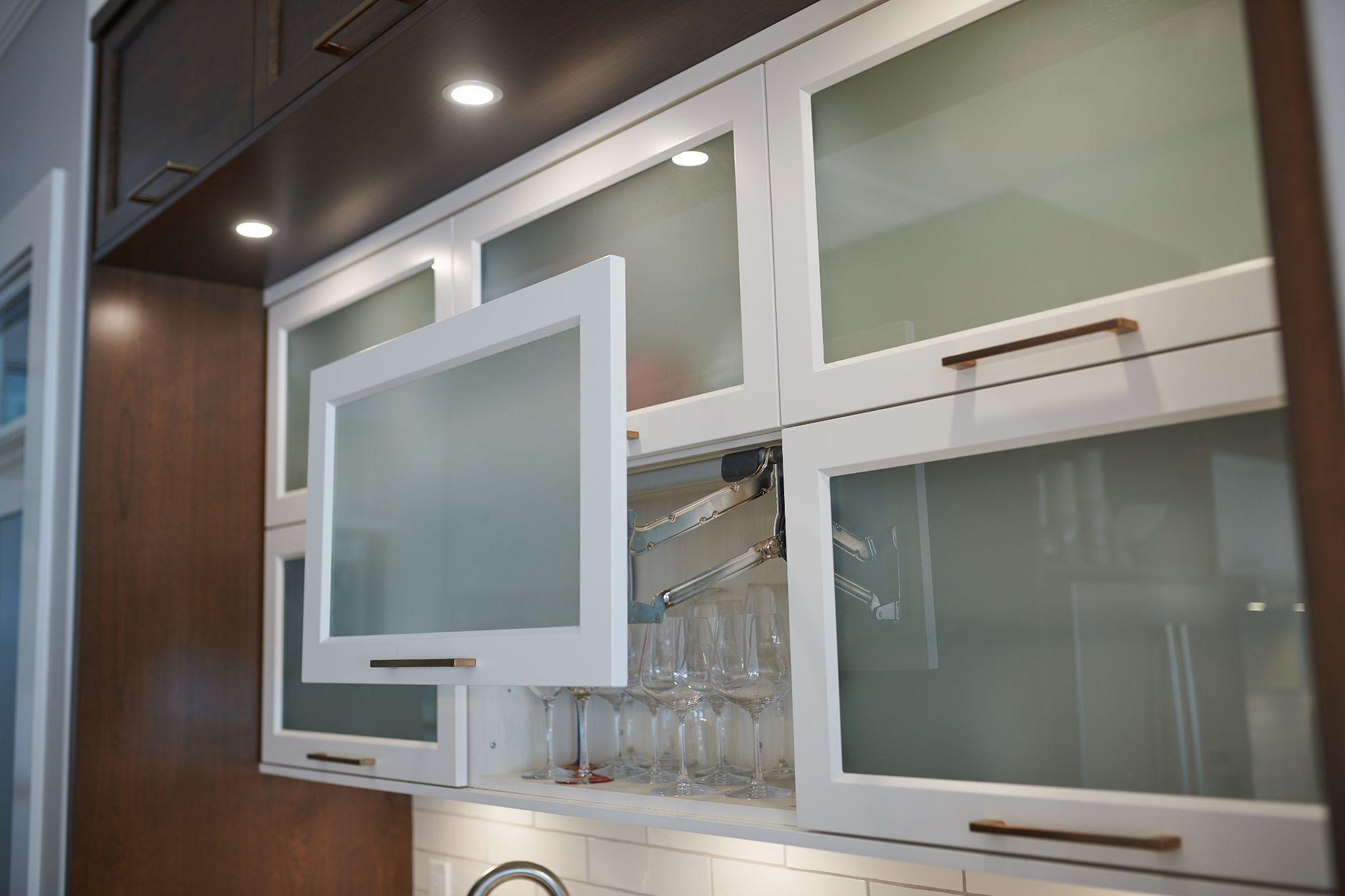
For most Newfoundland homeowners doing a proper kitchen renovation, custom cabinetry is the right answer and the housing stock on the Avalon Peninsula makes that case more compellingly than any sales argument could. Here is an honest look at all three options.
Stock cabinets are pre-manufactured in fixed sizes, available off the shelf at IKEA, Home Depot, or Rona. They are the lowest-cost entry point — $5,000–$15,000 installed for a mid-size kitchen. The core limitation is fixed widths in three-inch increments. When a kitchen is plumb, square, and built to standard dimensions, stock cabinets can work. A significant portion of the heritage across Newfoundland are none of those things. Walls that aren’t square, ceiling heights that don’t match standard upper cabinet sizes, and kitchen footprints that predate modern cabinetry modularity are the norm, not the exception. The result is filler strips, scribe moulding, and visible compromises and every correction adds cost to what looked like a bargain on the showroom floor.
Semi-custom cabinets are manufactured to specific widths from a factory, with more finish and style options than stock — $12,000–$25,000 installed for a mid-size kitchen. They offer more flexibility than stock and a wider range of sizes and finishes. But the client is still working within the manufacturer’s available sizes and construction methods, still waiting on a factory order from Ontario or the US, and still arriving at a result built around a catalogue rather than their specific kitchen.
Custom cabinets are designed and built specifically for the kitchen with no fixed-size constraints, no finish limitations, no compromises imposed by what a factory produces this season. At Elite Kitchens + Design, all cabinetry is manufactured on-site in the Torbay workshop. The cabinet is built around the kitchen, not the other way around. Custom kitchen cabinets across Canada range from $20,000–$55,000+ installed, depending on complexity, materials, and scope.
The cost comparison shifts significantly when you factor in what stock cabinetry actually requires in a Newfoundland home. Installation corrections, filler panels, scribe moulding, and finish work to address irregular walls and ceiling heights are not extras, they are the predictable cost of fitting a fixed-size product into a non-standard space. In a heritage property, those corrections regularly close the gap between stock and custom pricing. The homeowner who chooses stock to save money and then spends a quarter of those savings on workarounds has not saved as much as the initial quote suggested. Custom cabinetry, priced honestly from the beginning, is often the better value when the full installed cost is on the table.
The On-Site Manufacturing Advantage
When cabinetry is factory-ordered from Ontario or overseas, the timeline is fixed. If a measurement is off or the homeowner wants to adjust a configuration after seeing the design in person, the options are limited: either wait for a new order or make do with what arrived. Neither is acceptable on a project that took months to plan. Elite Kitchens + Design manufactures everything on-site in Torbay. The team that measures your kitchen is connected to the team that builds the cabinets, which is the same team that installs them. Questions and adjustments during the build are handled immediately, without freight delays or factory reorder queues. Phil Snow, who leads every project at Elite Kitchens + Design, holds a Red Seal Carpenter certification, which means the craftsmanship standard applied to every cabinet built in the Torbay workshop is the highest the profession recognizes. For a renovation on the Avalon Peninsula where supply chain slowdowns already add weeks to every material category, shorter lead times and that level of verified expertise are not small advantages.
Understanding Custom Kitchen Cabinet Costs in Canada: What You Are Actually Paying For
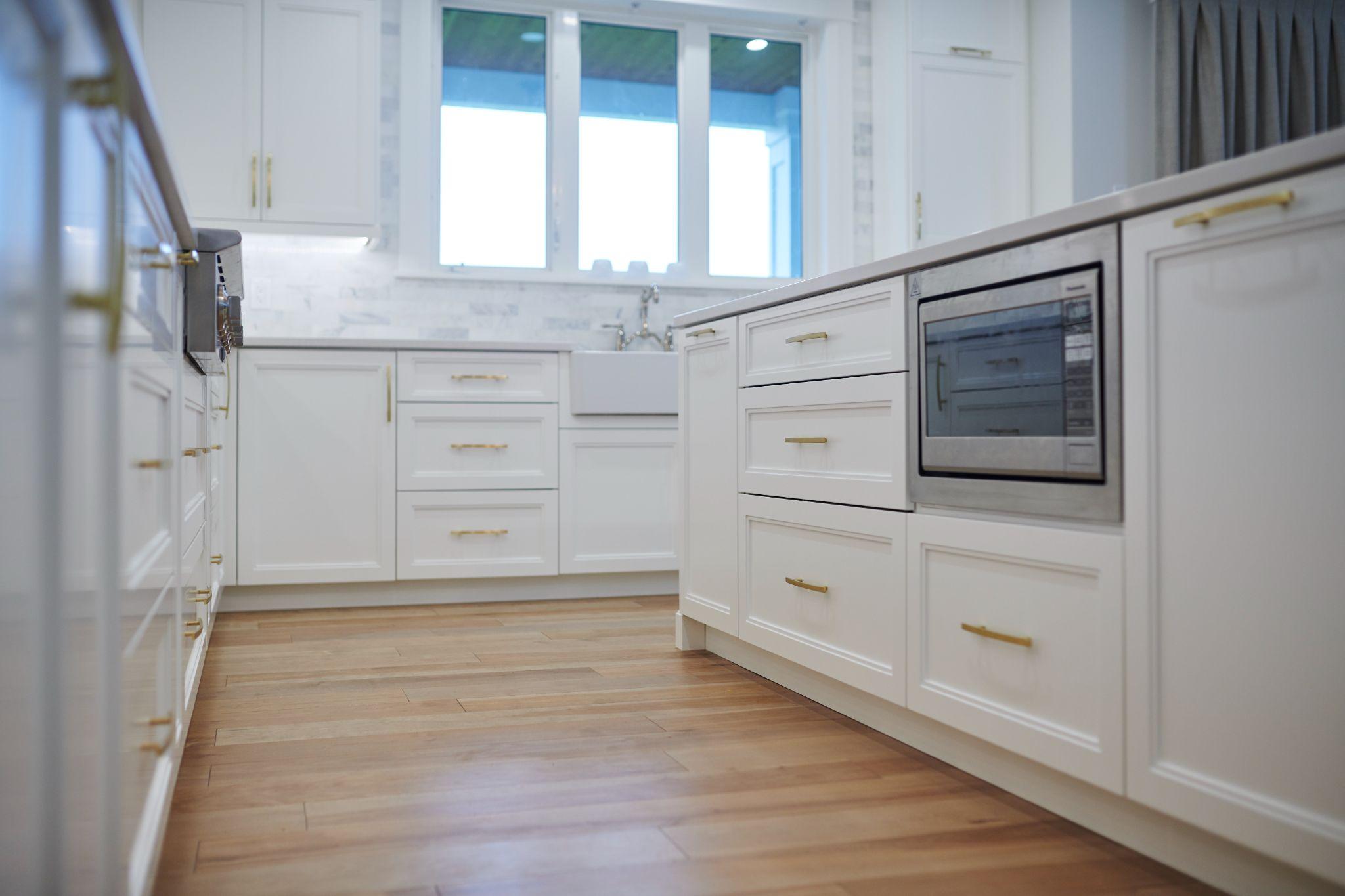
The cost of custom kitchen cabinets in Atlantic Canada typically ranges from $500 to $1,500+ per linear foot installed, depending on material selection and design complexity. One linear foot means one foot of cabinet run measured along the wall face. A typical kitchen might have 20–30 linear feet of cabinetry. At $800 per linear foot (a reasonable mid-range figure for painted shaker in solid wood) a 25-foot kitchen runs approximately $20,000 in custom kitchen cabinets cost alone, before countertops or appliance installation.
For more details on Elite Kitchens + Design’s custom cabinet scope, visit the Custom Kitchen Cabinets service page.
What Makes Up That Number?
Materials — the cabinet box. The carcass is typically constructed from plywood, MDF, or particleboard. Plywood is the most durable and moisture-resistant, which is particularly relevant in NL kitchens where humidity from cooking and the climate can affect cabinet longevity. MDF offers a smooth, stable surface for painted finishes. Particleboard is used in the lowest-cost stock and semi-custom cabinets.
Materials — the door. Solid wood doors are the most traditional and durable option. MDF doors are stable and used for painted finishes where grain texture is undesirable. Thermofoil (a vinyl film over an MDF core) is cost-effective for flat profiles but does not refinish well and can peel in high-heat environments near ovens.
Hardware. Soft-close hinges and drawer slides are the standard at this level; they are not an upgrade, they are the baseline. Pull hardware (knobs, bars, cup pulls) ranges significantly in cost depending on selection and quantity.
Labour. Design time, measuring and templating, workshop fabrication, and installation. At Elite Kitchens + Design, one dedicated installer handles each project from start to finish. The same person who understands the design and knows the kitchen’s specific dimensions is the person making sure it goes in right.
The 10-year warranty. Elite Kitchens + Design backs its work with a 10-year warranty, an industry-leading commitment that changes the total cost of ownership calculation. When comparing quotes, a warranty of this length is part of what you are paying for.
What Affects Your Cabinet Cost the Most?
Three variables move the needle most significantly within the custom cabinet cost range:
Design complexity. More cabinet runs, more corner solutions, full-height pantry towers, integrated appliance panels, and specialty storage inserts (pull-out bins, spice drawers, cutlery organizers) all add to the fabrication time and therefore the cost. A straightforward galley layout costs less than a U-shaped kitchen with an island and a built-in refrigerator panel.
Material and finish selection. Painted cabinets in a one piece door with a standard shaker profile are priced differently from stained white oak flat-panel doors with a natural finish. Exotic wood species, high-gloss lacquer finishes, and routed or beaded door profiles all add machining time and material cost.
Accessories and hardware. Specialty storage hardware (pull-out waste bins, drawer-within-drawer systems, full-extension drawer slides, custom organizers) adds meaningfully to the total.
Kitchen Cabinet Door Styles: The Decision That Shapes the Room
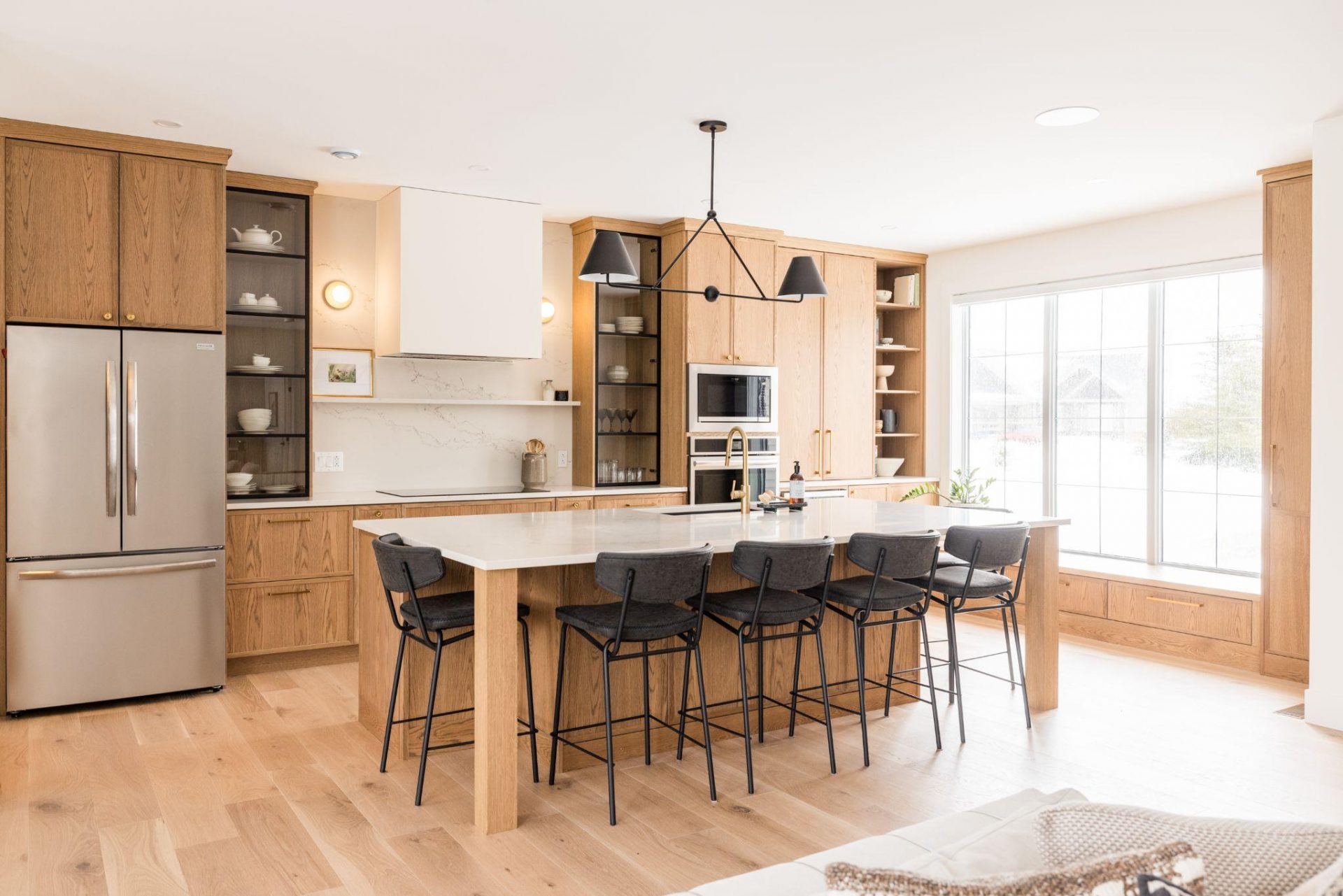
The door profile is the single most visible design decision in a kitchen renovation. It sets the visual tone of the space and, alongside the finish colour, determines whether the kitchen reads as contemporary, traditional, transitional, or heritage. It also affects cost, and the range of custom kitchen cabinet doors Canada craftspeople offer varies meaningfully in price by profile complexity.
Shaker: Recessed centre panel, clean flat frame. Shaker kitchen cabinet door styles remain the most popular profile in NL renovation and new build projects. It is suited to new construction, works in transitional renovations across Newfoundland, and ages well in both painted and stained finishes.
Flat/Slab: Completely flat door face, no profiling. Common in contemporary renovations. A flat/slab on a painted MDF door is typically the most cost-efficient custom option, requiring less machining and simpler construction.
Raised Panel: Traditional profiled frame with a raised centre panel. The natural fit for traditional home designs. More machining time than the shaker means a slightly higher cost per door.
Beadboard: Recessed panel with vertical bead detail is suited to farmhouse and heritage aesthetics. In Newfoundland, beadboard resonates particularly well in homes influenced by outport architectural traditions. Less common in new builds, but distinctive in the right context.
Our guide to kitchen cabinet door styles covers every profile option in detail, including how each style pairs with different finishes and hardware.
Cabinet Finishes
Painted finishes dominate current NL kitchen renovations. White, warm white, navy, sage, and deep charcoal all suit the muted, grey-sky light that characterises the Avalon Peninsula through much of the year. Painted finishes require a stable door substrate; MDF is often preferred for consistency and a quality lacquer or enamel topcoat.
Stained finishes let the wood grain show through, producing a warmer, more textural result. White oak with a light natural stain has grown significantly in popularity across NL renovations in the past several years. Stained finishes require solid wood doors and careful species selection.
Two-tone kitchens (painted uppers with stained or contrasting lowers) are increasingly common in higher-budget NL renovations and add visual interest without incurring a high cost beyond the additional finish separation work.
How Custom Cabinetry Changes Your Kitchen Layout
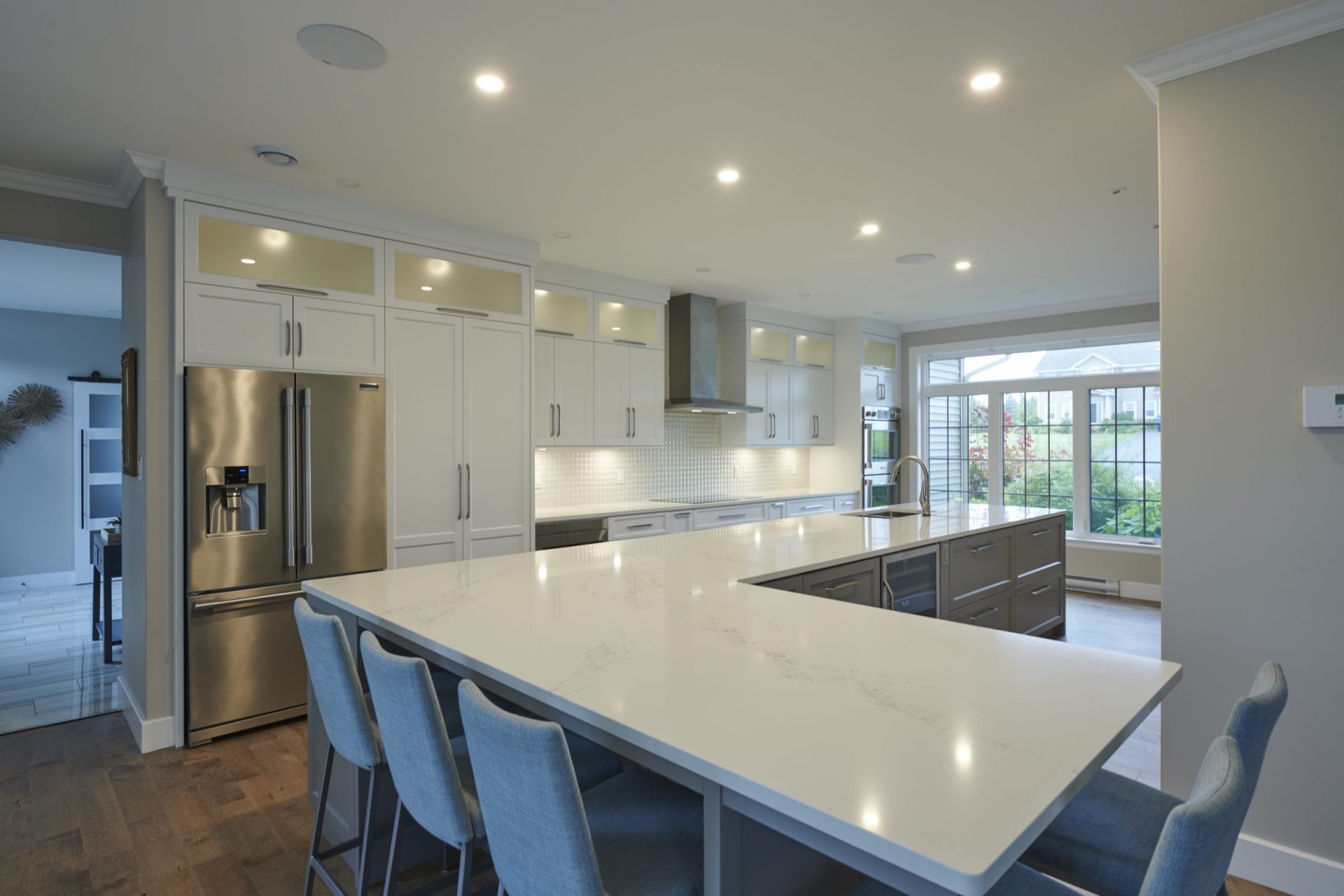
The functional case for custom cabinetry goes beyond the fit of individual cabinet boxes. Custom cabinetry allows layouts that stock and semi-custom simply cannot achieve.
Full-height cabinets to the ceiling. Stock upper cabinets stop at a fixed height, leaving dead space above them. Custom uppers built to the actual ceiling height of your kitchen eliminate that dead space entirely.
Island dimensions that fit your kitchen. A stock island is a fixed-size unit dropped into a space it may or may not suit. A custom island is designed around the actual footprint, traffic flow, and the household’s cooking habits. In smaller kitchens, the difference between an island that works and one that blocks traffic is often six to eight inches; only a custom build can calibrate correctly.
Corner solutions that actually work. Lazy Susans and blind corner cabinets are the stock compromise. Custom cabinetry offers full-access corner drawer systems and diagonal corner designs that make the most of corner space without accessibility limitations.
Non-standard dimensions. Heritage homes and traditional properties throughout Newfoundland often feature kitchen spaces with interior soffit ceilings, non-standard ceiling heights, or walls that aren’t perfectly true. Custom cabinetry is designed and engineered specifically to navigate these conditions.
Our kitchen design and build service handles every stage of this process for homeowners across the Avalon Peninsula.
The Kitchen Renovation Process in Newfoundland: From Consultation to Installation
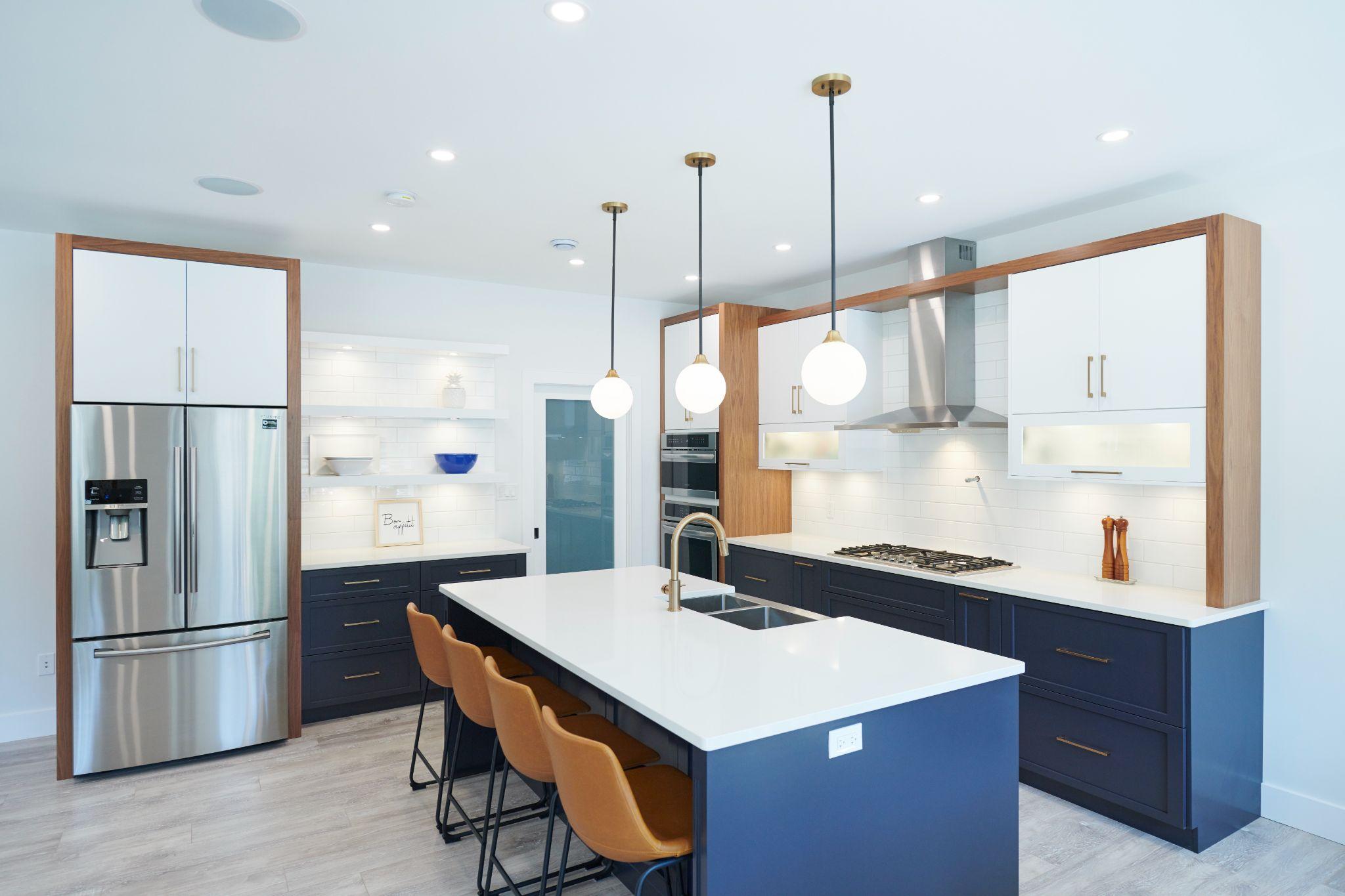
Here is how a kitchen renovation with Elite Kitchens + Design works, from the first phone call to the finished kitchen.
Stage One: Consultation. A design conversation and measurement visit at the Elite Kitchens + Design showroom in Torbay, or at home. Simple, rough measurements from the homeowner are provided in order to map out initial layout concepts and style direction. No fees, no obligation.
Stage Two: Design Proposal. A detailed proposal with layout, material and finish specifications, and an itemized price. The homeowner knows exactly what they are getting before signing anything.
Stage Three: Manufacturing. Following an on-site visit where our team takes exact, technical measurements, cabinetry is manufactured on-site at the Torbay workshop. Adjustments during the build are handled by the same team that measured the space; no factory escalations, no mainland freight delays.
Stage Four: Installation. A dedicated installer is assigned to the project from start to finish. Elite Kitchens + Design is currently booked into Fall 2026. If you are planning a kitchen renovation, start the conversation now.
Budgeting for Your Kitchen Renovation: A Practical Guide for NL Homeowners
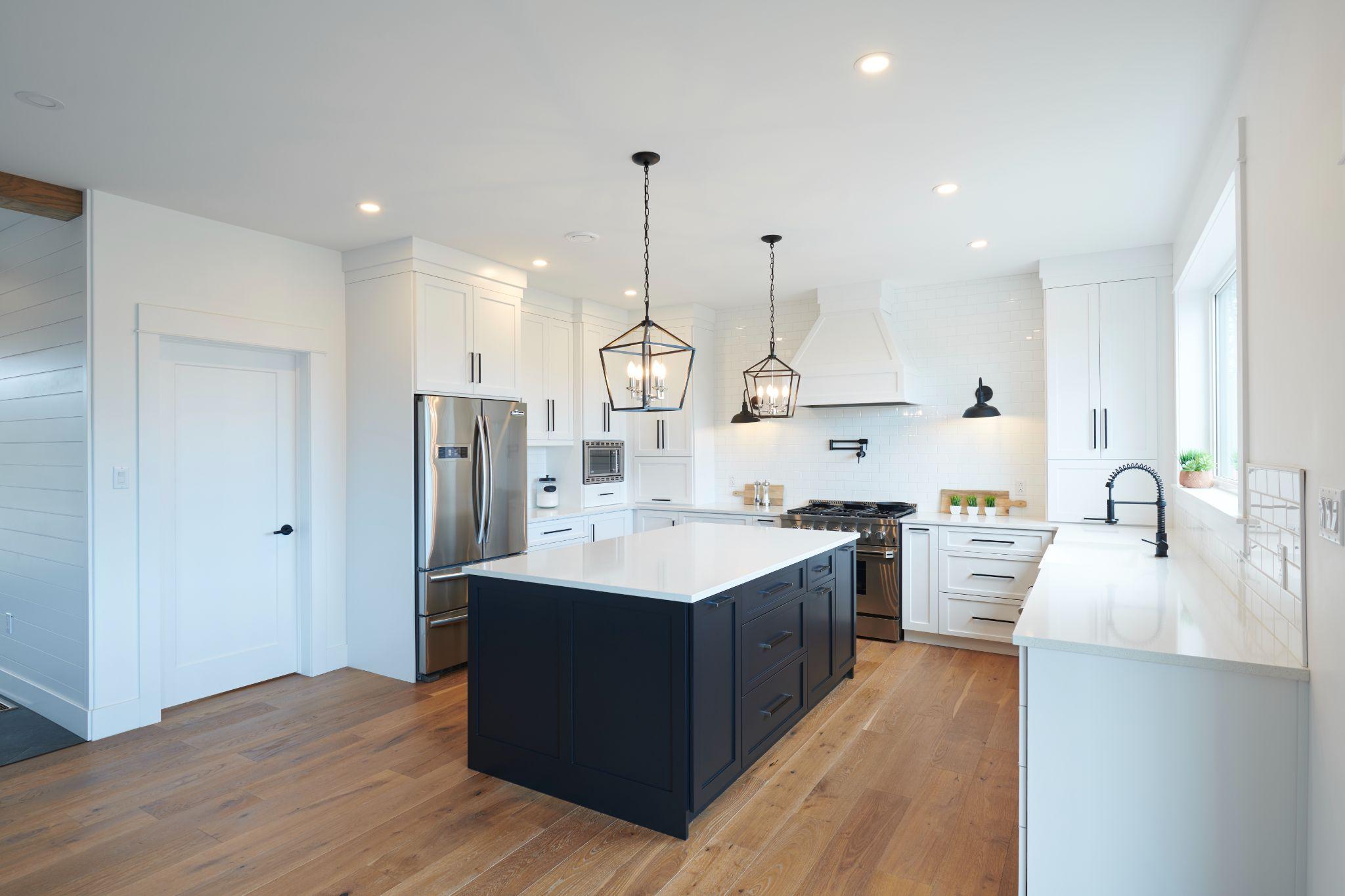
Working out a kitchen renovation budget in Newfoundland requires a different approach than national planning tools suggest. Here is how to structure it.
Start with Cabinetry. Cabinets represent 40–50% of a total kitchen renovation budget. If your total budget is $40,000, allocate $16,000–$20,000 for cabinetry. If you know your specification like full custom in painted solid wood at $800 per linear foot for a 25-foot kitchen, start there and build the rest around it.
The rest of the budget by line item:
- Countertops: Quartz or granite — $3,000–$8,000+ depending on material and edge profile.
- Appliances: Budget separately and early — lead times affect installation scheduling.
- Flooring: $2,000–$6,000+ for tile or hardwood in a standard kitchen footprint.
- Backsplash: $800–$3,000+ installed.
- Plumbing: New sink, faucet, and dishwasher connection — $1,500–$4,000.
- Electrical: Range hood venting, under-cabinet lighting, additional outlets — $1,000–$3,500.
- Labour beyond cabinetry: Framing, drywall, painting — additional cost lines.
Any kitchen renovation cost calculator in Canada should offer underquote for NL. The freight premium and Atlantic trade rates mean the final number consistently runs higher than a calculator calibrated to Ontario would suggest. A design-and-build contractor managing the full scope gives you one point of accountability for the finished result.
Our kitchen renovation planning guide walks through how to structure your budget and timeline in detail.
Ready to find out what a custom kitchen renovation actually costs for your home in Newfoundland? Get a quote from Elite Kitchens + Design in Torbay, we’ll measure your kitchen, present you with a detailed design and an itemized price, and give you the information you need to make a confident decision. Contact us today.